- /
How to Prep and Price a Santa Cruz Home for Sale
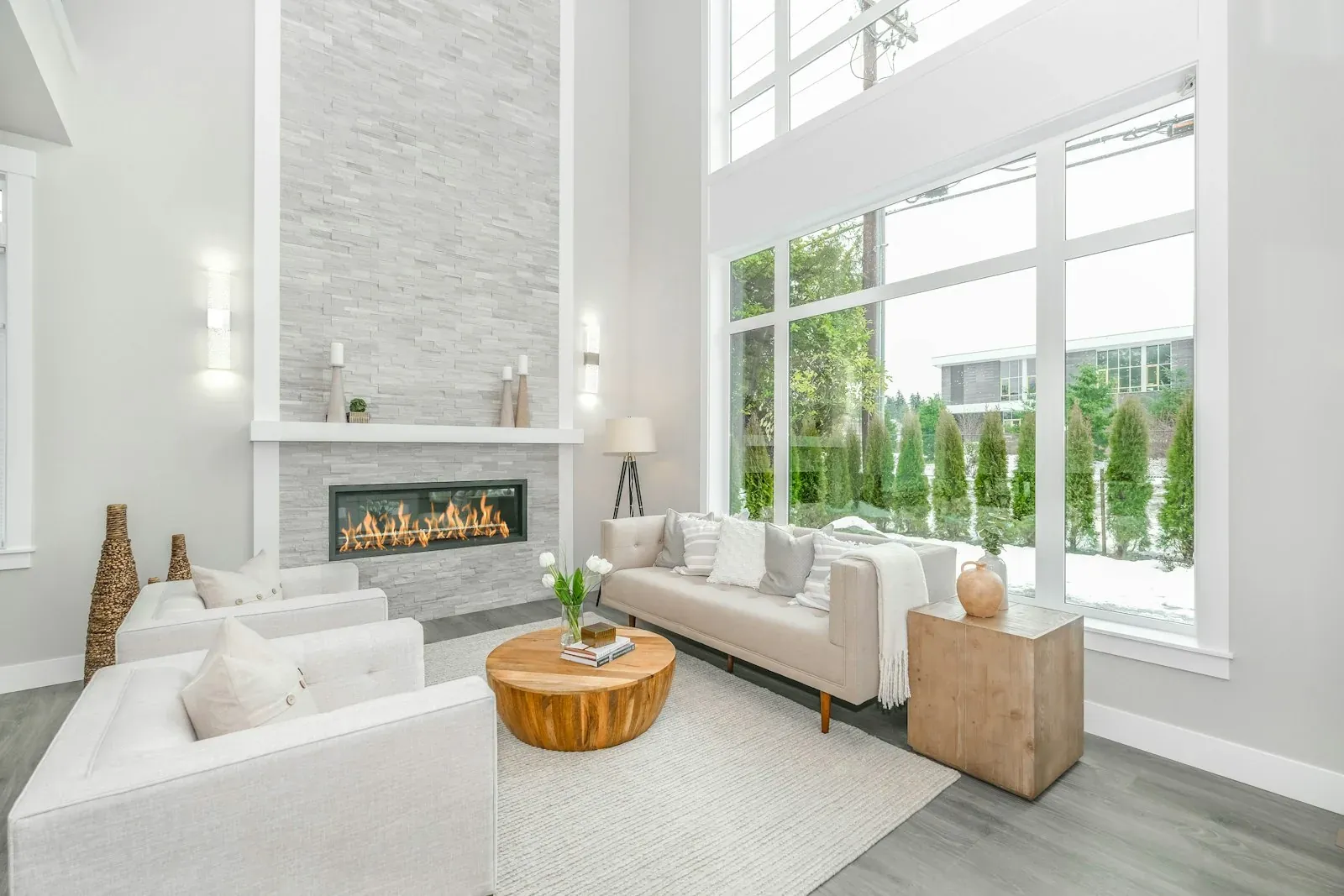
Price a Santa Cruz County home from recent, nearby sales of similar houses, adjusted for condition, location, and what the house actually offers, not from a countywide average or a number you hoped to clear. Prep work should help a buyer see the house clearly and should not outrun what comparable homes support.
This article is for general information only. It is not legal, tax, or appraisal advice. A listing price is an opinion of value for marketing, not an appraisal. Confirm disclosure duties with your agent and, if needed, a licensed California attorney.
How should I price a Santa Cruz home?
Start with comparable sales: homes that recently sold, that buyers would have considered instead of yours, in a similar part of the county, with a similar size, age, lot, and condition.

A comparative market analysis looks at those sales, then adjusts. A remodeled kitchen, a better location relative to the beach, schools, or a busy road, an accessory dwelling unit, or a house that still needs a roof will not all land at the same number. Tax-assessed value is not the same thing as market value. An online estimate is a starting point at best, not a listing price.
Andren Homes will pull current comparables for your address and walk you through the range. Call (831) 291-5043 or request a home valuation. If you also want to know what the same house might rent for, use a free rental analysis or see how we price a Santa Cruz rental. Those are different questions.
What is the difference between list price and net proceeds?
List price is the number you advertise. Net proceeds are what you take home after the loan payoff, negotiated broker compensation, transfer taxes, escrow and title charges, agreed credits, and any tax withholding.
A house can be priced correctly and still net less than you expected if you have not run those costs. Our companion guide, what it costs to sell a home in Santa Cruz County, covers the official tax items and the fact that commissions are negotiated, not set by law. Ask for a written net sheet at the same time you talk about list price.
Pricing too high does not “leave room to negotiate” if it keeps qualified buyers from coming through the door. Pricing too low to start a bidding situation is a strategy, not a rule, and it depends on how the house compares with what is already on the market. The better approach is to price where the comparables, and the condition of your house, actually sit, then be ready to respond to feedback in the first weeks.
What prep work is worth doing before I list?
Do the work that removes doubt and that a buyer will see on the first visit: clean thoroughly, finish small repairs, fix obvious leaks or broken hardware, paint where the wear is visible, and clear enough space that rooms photograph well.

A pre-listing inspection can be useful if you would rather find issues on your timetable, but it is a choice, not a legal requirement. Larger projects — a new kitchen, a bathroom remodel, or an addition — should be weighed against what nearby sold homes already offer. Spending past the neighborhood can cost more than it returns. Needed repairs that show up in every buyer’s inspection, such as a failing roof or an obvious safety issue, are usually better handled before you list, or priced and disclosed honestly if you choose to sell “as is.”
You do not need to invent a showroom. Buyers in Santa Cruz County are used to older homes, coastal wear, and houses that have been lived in. They are less forgiving of a dirty kitchen, a room they cannot walk through, or a problem you avoided mentioning.
What do I have to disclose?
For a sale of single-family residential property subject to Civil Code section 1102, the seller must deliver the completed written disclosure statement required by that article, as soon as practicable before transfer of title. If a required disclosure, or a material amendment, is delivered after the buyer has already made an offer, the buyer has a short window to terminate: three days after personal delivery, or five days after mailing or after delivery of an electronic record when the parties have agreed to transact electronically.
A waiver of those disclosure requirements is void as against public policy.
In practice, that means you fill out the Transfer Disclosure Statement carefully, you do not guess, and you tell the buyer about material conditions you know about. Your agent will also have inspection-disclosure duties. Other reports, including natural-hazard disclosures, are often part of a California residential sale. Your listing agreement and escrow instructions should list what will be ordered. This is not a complete inventory of every form.
How should I show the home?
Schedule professional photos after the house is cleaned and decluttered, not before. Leave lights, access, and a simple path through the main rooms. If you still live in the house, plan to be out during showings when you can.
If a tenant lives there, you must follow Civil Code section 1954: reasonable notice, generally during normal business hours, with 24 hours presumed reasonable, and special rules for oral notice of sale showings. Do not promise a buyer an empty house unless you have a lawful path to vacant delivery. see our guide on selling a tenant-occupied rental.
What if I am not sure I should sell?
Some owners are deciding between selling now and keeping the house as a rental. Those are different business decisions. A sale gives you a net number, after costs. A rental gives you ongoing income and ongoing obligations, including habitability, screening, and deposit rules.
Andren Homes can help with both. Logan Andren, Broker / Property Manager, DRE #02002055, works with sellers through Andren Homes (brokerage BRE #02244498), and the property-management team handles rentals for owners in Santa Cruz County. If you want to hold the property, start with a free rental analysis. If you want to sell, call (831) 291-5043 or use the valuation page.
Frequently asked questions
How do I price my Santa Cruz home for sale?
Use recent comparable sales of similar homes nearby, adjusted for condition, location, and features. Tax-assessed value and online estimates are not a substitute. Ask Andren Homes for a written range and a net sheet on your address.
Should I remodel before I list?
Only if the work is needed, or if similar sold homes already have that improvement and your house will look incomplete without it. Cosmetic cleaning, paint, and small repairs are usually the first step. Large remodels can cost more than they add.
What disclosures are required when I sell?
For single-family residential property subject to Civil Code section 1102, the seller must deliver the completed written disclosure statement as soon as practicable before transfer of title. If it arrives after the offer, the buyer has a short statutory window to terminate. Other reports may also be required. This is not legal advice.
Can I list while I still live in the house, or while a tenant lives there?
Yes. Occupied listings are common. If a tenant is in place, follow Civil Code section 1954 on notice and entry, and do not assume you can end the tenancy just to make the house easier to show.
How is pricing a sale different from pricing a rental?
A sale price is based on comparable sales. A rent is based on comparable leases and the current tenancy rules that may apply at the address. We can run both numbers if you are choosing between selling and holding.
How do I get a pricing opinion from Andren Homes?
Call (831) 291-5043 or request a home valuation. We will start with the address, recent comparables, and a conversation about condition and timing.
If you are preparing to sell a home in Santa Cruz County and want a pricing range and a net sheet, call (831) 291-5043 or request a home valuation. If you would rather keep the house as a rental, start with a free rental analysis.
Categories
Recent Posts



GET MORE INFORMATION