- /
Selling a Tenant-Occupied Rental in Santa Cruz County
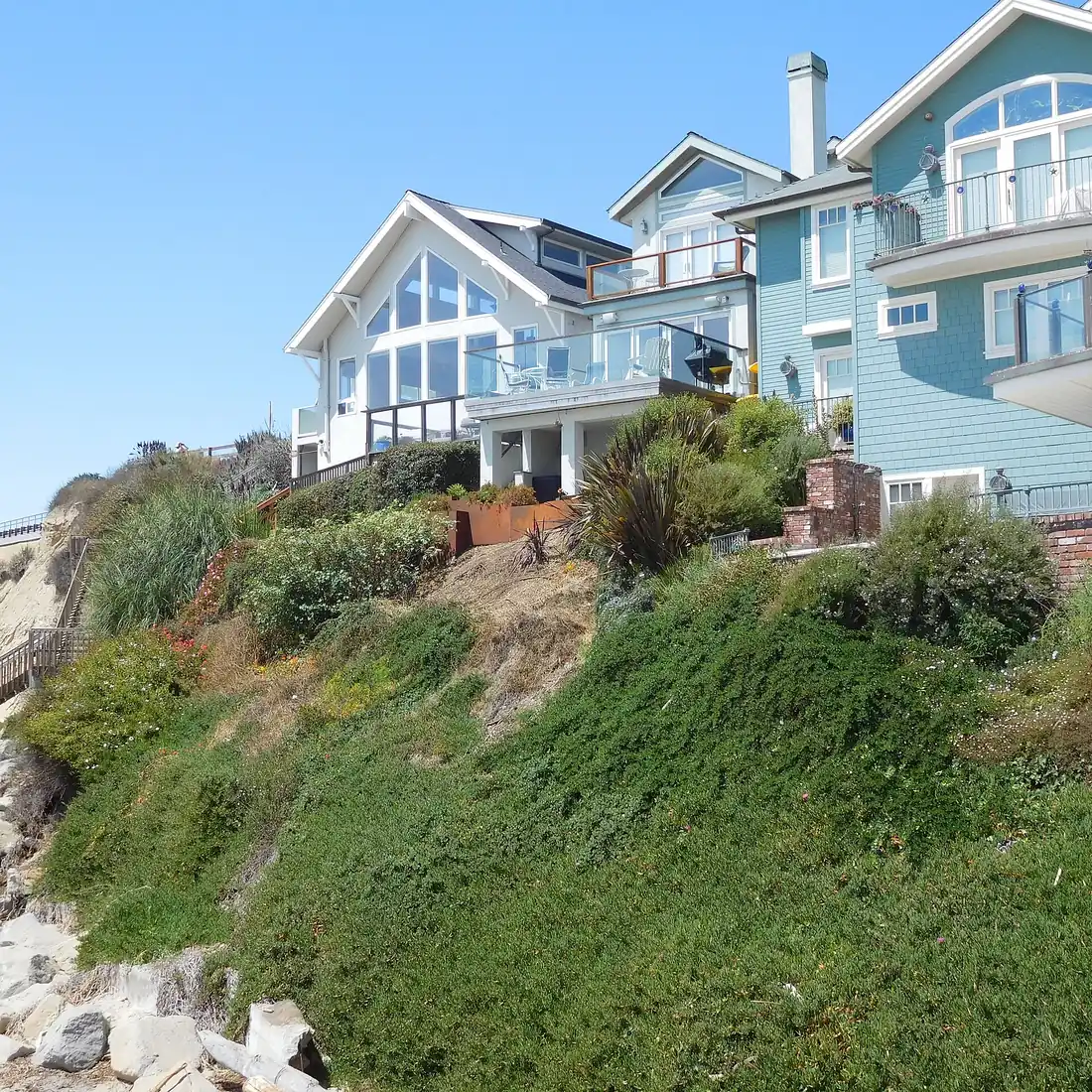
You can sell a rental in Santa Cruz County with a tenant still in place. What you generally cannot do, if the unit is covered by statewide just-cause rules, is end the tenancy only because you want to sell. The buyer usually takes the property subject to the existing lease, and showings have to follow notice rules.
This article is for general information only. It is not legal advice. Coverage, exemptions, and local rules depend on the address and the tenancy. Confirm current law with the official sources linked below, or with a licensed California attorney, before you serve a notice, list the property, or promise a buyer vacant delivery.
Can I evict a tenant because I want to sell?
No. A planned sale is not listed as just cause under Civil Code section 1946.2.

After a tenant has continuously and lawfully occupied a covered residential property for 12 months (with a longer rule when additional adult tenants are added), the owner may not terminate the tenancy without just cause stated in the written notice. The statute lists at-fault grounds, such as unpaid rent or a material lease breach, and a short list of no-fault grounds: owner or qualifying family occupancy as a primary residence for at least 12 months, withdrawal of the property from the rental market, certain government or court orders to vacate, and intent to demolish or substantially remodel. Selling the property is not on that list.
Some properties are exempt, including certain non-corporate single-family homes and condos if the required written notice was given, and housing with a certificate of occupancy in the previous 15 years. Just-cause rules remain in effect only until January 1, 2030, unless the Legislature changes that date. Do not assume an exemption. Read the statute and get legal advice for the address.
Our AB 1482 guide covers rent caps and just cause in more detail.
What happens to the lease when the property sells?
As a practical matter, the buyer steps into the landlord’s position and the tenancy continues on its existing terms unless the tenant and the new owner lawfully agree to something else, or a lawful termination later occurs.
That is why “vacant at closing” should not be promised unless you already have a lawful path to vacant delivery. A buyer who wants to use the home as a rental can often close with the tenant in place and collect rent after closing. A buyer who wants to move in is in a different position, described below.
When the landlord’s interest ends by sale, the security deposit must, within a reasonable time, be transferred to the buyer with notice to the tenant, or returned to the tenant with the required accounting.
If the buyer wants to move in, is that just cause?
Owner occupancy can be a no-fault just cause, but only if the statutory conditions are met. A sale, by itself, still is not the cause.

Civil Code section 1946.2 allows termination based on intent that the owner, or the owner’s spouse, domestic partner, children, grandchildren, parents, or grandparents, occupy the property for at least 12 continuous months as a primary residence. Extra conditions apply, including who counts as an “owner,” what the notice must say, and, for many leases entered into on or after July 1, 2020, a lease clause or the tenant’s written agreement. The intended occupant generally must move in within 90 days and stay for at least 12 months. For a no-fault termination, the owner must either pay relocation assistance equal to one month of the rent then in effect, within 15 calendar days of service of the notice, or waive the final month’s rent in writing, and the notice must tell the tenant about that right. Failure to strictly comply makes the notice void.
Separately, Civil Code section 1946.1 sets notice length for ending a periodic tenancy: generally 60 days if the tenant has lived there a year or more, or 30 days if less than a year. A 30-day notice is also allowed, even after a year of occupancy, when all of the following are true: the unit is separately alienable; the owner has a contract to sell to a bona fide purchaser and has opened a qualifying escrow; the purchaser is a natural person; the notice is given no more than 120 days after escrow is opened; no prior notice was given under that section; and the purchaser in good faith intends to reside there for at least one year after the tenancy ends.
That 30-day sale-in-escrow rule shortens the notice period in a narrow set of cases. It does not, on its own, create just cause under section 1946.2. If just cause is required, you still need a lawful ground, a proper notice, and, for a no-fault ground, the relocation payment or rent waiver. Have a California attorney review the notices before they go out.
How do showings work if a tenant still lives there?
The landlord may enter to show the unit to prospective or actual buyers, but not in a way that harasses the tenant, and generally only during normal business hours unless the tenant consents to another time at the time of entry.
Reasonable written notice is required, including the date, approximate time, and purpose. Twenty-four hours is presumed reasonable; a notice mailed at least six days before the entry is also presumed reasonable. For sale showings, oral notice in person or by phone is allowed if the landlord or agent first gave written notice within the prior 120 days that the property is for sale and that the tenant may be contacted orally for showings. At the time of an oral-notice entry, the landlord or agent must leave written evidence of the entry inside the unit.
Clear communication and a tenant who has been told the truth about the sale usually produce a better showing than a rushed one. Buyers should expect an occupied home to look lived in.
Should I sell occupied, wait for the lease to end, or keep renting?
It depends on the lease end date, whether the tenancy is fixed-term or month-to-month, whether just-cause rules apply, and whether your most likely buyer is an owner-occupant or an investor.
Selling occupied can be the cleanest path when the rent is documented, the tenant is in good standing, and investor buyers are in the mix. Waiting for a planned, lawful vacancy can make sense if the lease is close to ending. Ending a tenancy early so the house will show empty is the path that most often creates legal risk, and it should not be started without counsel.
If you would rather keep the property and have someone else handle the tenancy, Andren Homes Property Management can review the rent and the scope of work. Start with a free rental analysis. For new management clients who sign by December 31, 2026, Holiday Rates are a $750 flat placement fee, 10% monthly management, and free lease renewals, with no setup, advertising, or inspection fees, and a 6-month minimum then month-to-month. We make only two guarantees: free re-placement if a tenant we placed leaves during their lease, and a response to owner messages within one business day.
If you are ready to sell, Andren Homes can list the property and plan showings around a lawful notice process. Call (831) 291-5043 or start with a home valuation.
Frequently asked questions
Can I make a tenant leave because I am selling my Santa Cruz rental?
Not if statewide just-cause rules apply and you have no other lawful ground. A sale is not listed as just cause in Civil Code section 1946.2. Confirm whether your property is covered or exempt before you serve a notice.
Does the buyer have to honor the existing lease?
In general, the buyer takes the property subject to the tenancy and steps into the landlord’s position. Do not promise vacant delivery unless you have a lawful path to it.
Can a buyer who wants to live in the home ask the tenant to leave?
Owner occupancy can be a no-fault just cause if every condition in section 1946.2 is met, including relocation assistance or a waived final month of rent. A separate statute, section 1946.1, can shorten the notice period in a narrow sale-in-escrow situation. It does not replace just cause. Get legal advice before any notice is served.
How much notice do I have to give before a showing?
Civil Code section 1954 generally requires reasonable notice, and 24 hours is presumed reasonable. For sale showings, oral notice is allowed only after a written sale notice within the prior 120 days, and written evidence of the entry must be left in the unit.
What happens to the security deposit at closing?
The selling landlord must transfer the remaining deposit to the buyer and notify the tenant, or return it to the tenant with the required accounting, within a reasonable time after the landlord’s interest ends.
Should I sell or keep renting?
That depends on your timeline, the lease, and the likely buyer. Call (831) 291-5043 to talk through a sale, or request a free rental analysis if you want to hold the property.
If you own a tenant-occupied rental in Santa Cruz County and want a straight conversation about selling it, keeping it, or doing one and then the other, call (831) 291-5043. For a sale estimate, use our home valuation page. For a hold-and-rent review, start with a free rental analysis.
Categories
Recent Posts



GET MORE INFORMATION